
 Cayman Islands
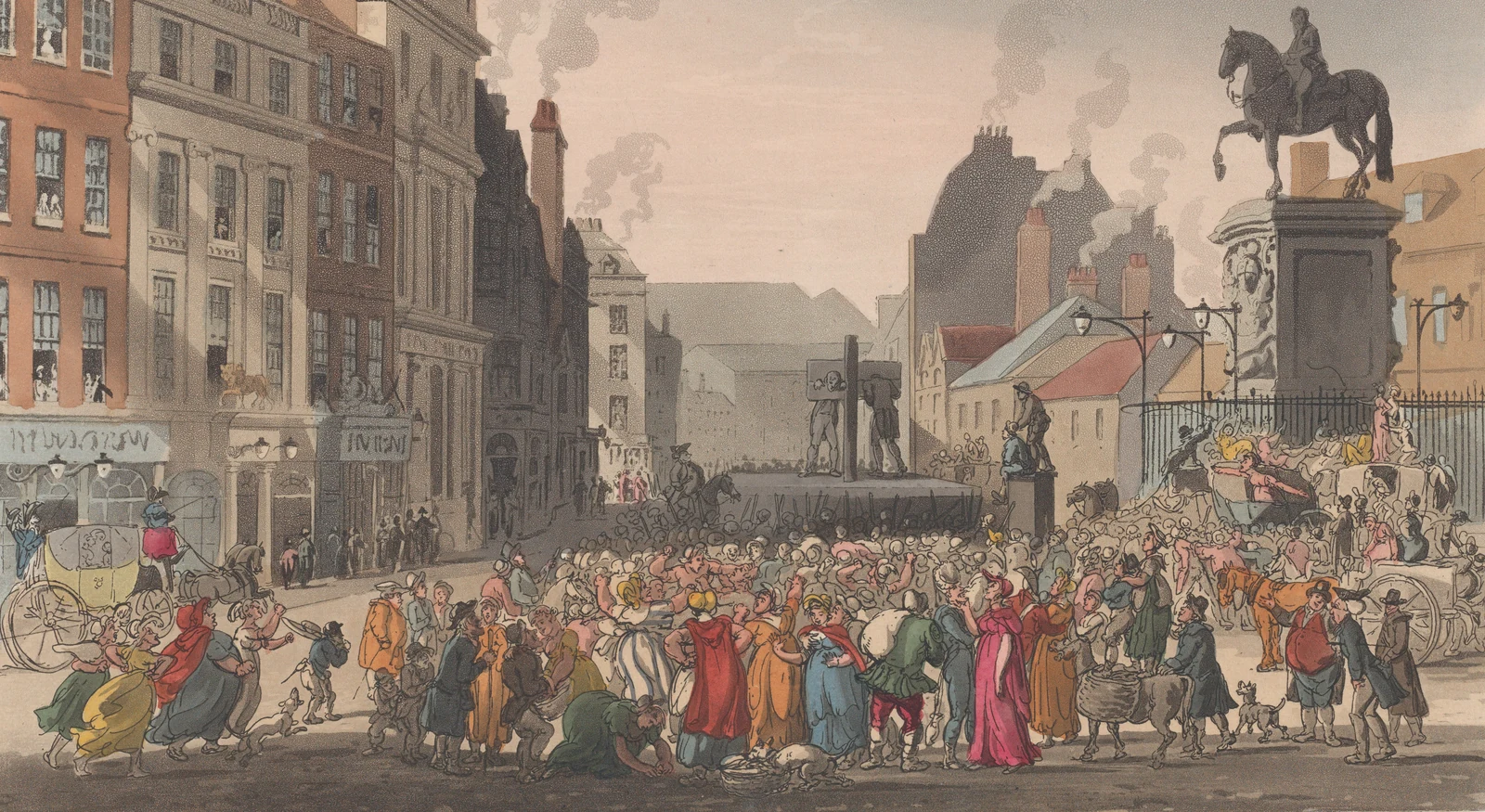
The Pillory
The pillory never left. It moved online.
Why Unmuted exists, in one old wooden frame.
What the pillory was
For centuries, English towns locked offenders by the head and hands in a wooden frame in the public square. They called it the pillory.
The frame itself did little harm. The crowd did the punishing, with jeers, rotten food, mud and stones. Some were maimed. Some died.
Why it was abolished
Britain abolished the pillory in 1837. A court set the sentence, but the crowd decided the punishment. One offender was cheered. Another was stoned.
The crowd checked no facts and answered to no one.
The pillory today
Today the square is a screen.
A woman is named on a live broadcast or in a post. An accusation about her private life is aired before anyone verifies it. She is given no right of reply. Then the crowd gathers in the comments.
The frame has changed. The punishment has not. Her name, her work and her family are handed to an audience for sport.
The crowd is the harm
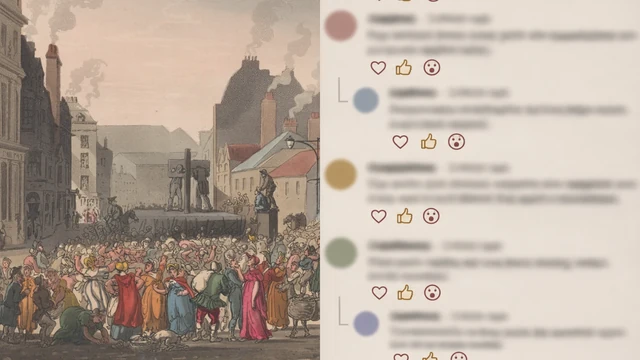
Those who run a modern pillory point to the size of their audience as proof of their worth. The pillory always drew the biggest crowd in town. That was never a reason to keep it.
The crowd is not the measure of a pillory's worth. It is the measure of the harm.
To shame one woman in public is to diminish every woman and to devalue womanhood itself.
Public money and the pillory
Some people say the audience justifies the payment. We say the audience is the problem. An audience gathered by public shaming or false accusations publicly made is not a neutral asset for the Government to rent. By shaming, we mean airing a private person's alleged failings without verification or right of reply. Every dollar paid, by advertiser, sponsor or public body, tells the outlet the method works. The bigger the crowd, the more the Government paid to stand beside it.
Public funds should never pay for attacks on the public. Nor should money approved by public officials sustain a platform that attacks other officials who serve the public.
This shaming apparatus is demeaning and divisive. It should be denied, not supported.
The regulator has drawn a line
On 20 November 2026 the utilities regulator, URCO, published a draft Broadcasting Content Code for public consultation (announcement). It would set content standards for licensed radio and television in the Cayman Islands.
The draft would require broadcasters to protect children, respect privacy and treat people fairly. It would bar putting a person on air by telephone without consent. It would require a delay of at least seven seconds on live programmes with unscripted contributions, so harm can be stopped before it airs.
Unmuted welcomes it. A regulator has now said in writing what we say: a broadcast is not a licence to shame.
The draft also shows the gap. The Code would bind licensed broadcasters. Much of the modern pillory runs online, beyond a broadcasting licence.
So we ask two things. Public bodies should apply the Code's standards to every platform they pay, licensed or not. And everyone who cares should answer the consultation before 5 p.m. on 21 December 2026, quoting reference ICT 2026-4, at [email protected].
What Unmuted does
Unmuted stands with women and girls in the Cayman Islands who have been publicly shamed.
- Support. We stand beside her, so she does not face the crowd alone.
- Right of Reply Fund. Our legal programme, so she can answer.
- Answer Back. Our public campaign, which challenges those who profit from shame, including those backed by the powerful.
It stops with me

The pillory ended when a society decided the crowd should not be the judge. It can end here the same way, one person at a time.
Do not click. Do not call in. Do not share. Do not fund.